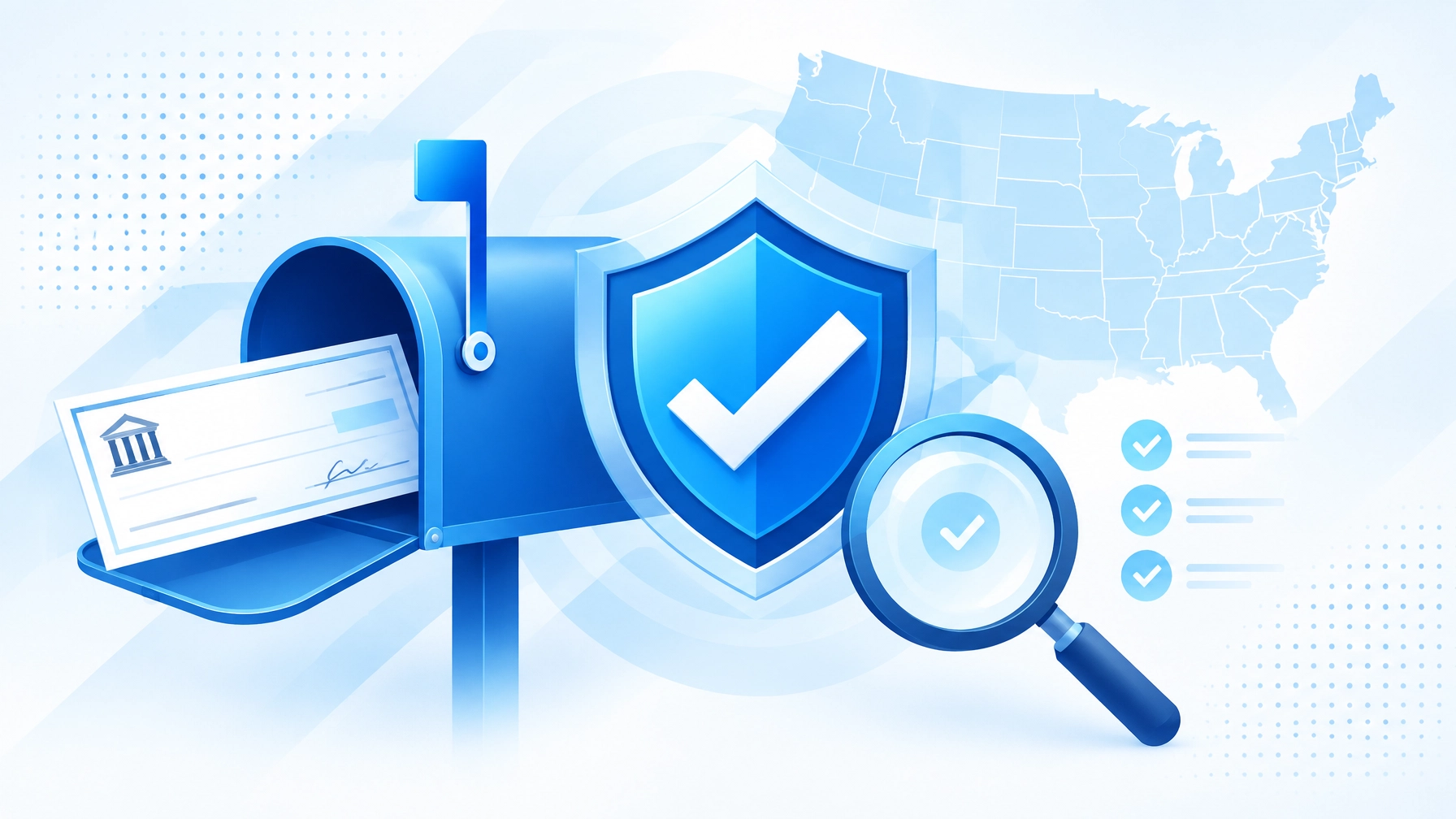
The $500 ACA refund is a federal payment for more than 950,000 Marketplace enrollees in the 30 states using HealthCare.gov. Recipients are largely people above 400% of the federal poverty level who lost federal premium assistance after enhanced subsidies expired. Some households between 100% and 400% of poverty may also receive a payment.
REFUND CHECK RECORD
According to CNBC’s September 30 report, the administration began mailing approximately $500 refund checks on Wednesday, September 30, 2026.
Available records show:
- More than 950,000 recipients in 30 states.
- Texas and Florida receiving the largest estimated numbers.
- Approximately 139,000 checks associated with Texas.
- Approximately 127,900 checks associated with Florida.
- Most recipients earning above 400% of the federal poverty level.
- Approximately $63,000 for an individual and $129,000 for a family of four as stated income examples.
- Some recipients between 100% and 400% of the federal poverty level.
- Funding described as a surplus of HealthCare.gov user fees collected from insurers.
- A letter dated September 30 accompanying the checks.
- Approximately 19.2 million Marketplace enrollees recorded as of February 2026.
Eligibility records are not universal for all Marketplace enrollees. The payment is associated primarily with people who paid full premiums after losing federal premium assistance. Current eligibility should be confirmed through the official Marketplace account or Marketplace call center.
A $500 PAYMENT DOES NOT RESOLVE THE 2027 PREMIUM INCREASE
The refund should be recorded as a one-time payment. It should not be treated as a replacement for reviewing 2027 coverage.
KFF reports that Marketplace insurers proposed a median premium increase of approximately 15% for 2027. That follows a finalized median increase of approximately 20% for 2026. The average net Marketplace premium rose by about 58% in 2026, reaching approximately $178 per month after enhanced premium credits expired.
The 400% federal poverty level subsidy cliff is central to the calculation. Households above that threshold generally lost all federal premium assistance when the enhanced credits ended. The same income band that is receiving many of the $500 payments may also be facing the full unsubsidized premium increase.
The KFF analysis of 2027 ACA Marketplace premiums identifies healthcare prices, inflation, labor costs, and changes in the Marketplace risk pool as factors in proposed rate increases.
A $500 payment is approximately one month of premium for some households. A yearly increase can reach several thousand dollars. The check is therefore a cushion, not a fix.
The practical implication is a timing issue. A one-time payment arrives weeks before an Open Enrollment period in which the same households must review the full 2027 premium. The check will also be in circulation when health insurance scam activity typically increases. The relevant test is whether the payment prompts a plan review before November 1, not whether it covers one monthly bill.
SIX-POINT REFUND CHECK SCAM CHECKLIST
The Federal Trade Commission consumer alert dated September 28, 2026 states that health insurance scams increase during Open Enrollment. Paid search advertisements may imitate HealthCare.gov or Medicare.gov. Look-alike websites may use official-looking logos and similar web addresses.
Use the following record before responding to any call, text, email, letter, or website about the refund.
- Check the delivery method. A legitimate government refund does not require a caller to arrange payment through gift cards, cryptocurrency, Zelle, Cash App, or an unusual wire transfer.
- Reject upfront fees. A real government payment does not require a processing fee, release fee, enrollment fee, or recovery fee before the money arrives.
- Protect financial information. Do not provide bank account numbers, debit card numbers, credit card details, or bank login credentials to an unsolicited caller.
- Do not click a confirmation link. Type the official government address directly into the browser. Confirm the address ends in
.govand uses HTTPS. - Confirm the source independently. Use the Marketplace account or a phone number found independently. Do not rely on a number supplied by a caller, text message, email, or advertisement.
- Stop when pressure begins. A demand to act immediately, provide a Social Security number, buy something, or return part of an overpayment is a scam indicator.
Anyone calling about the $500 check and requesting an upfront fee, bank or card information, gift cards, cryptocurrency, or a link click to “confirm” an account is not following the stated refund process.

IF A REFUND CHECK HAS NOT ARRIVED
No check does not automatically establish ineligibility or fraud. The following sequence provides a record-checking process:
- Log in to the Marketplace account by entering the official address directly.
- Review the mailing address and contact information on the account.
- Confirm whether the state uses HealthCare.gov or a separate state Marketplace.
- Review official notices and watch for the accompanying letter.
- Retain the check and letter if received. Do not send either item to an unsolicited caller.
- Contact the Marketplace call center using contact information obtained independently, not a number provided by a caller.
- Record the date, representative, and case number for future reference.
The 30 states identified for the federal exchange include Texas and Florida. The Texas insurance agent directory and Florida insurance agent directory provide state-level starting points for agent research. Directory records do not determine refund eligibility.
2027 ACA OPEN ENROLLMENT TIMELINE

October 2026: Refund Mailings
Refund checks and accompanying letters begin entering household mail during October. Scam calls, paid search advertisements, and look-alike websites may use the payment as a reason to request personal information.
November 1, 2026: Open Enrollment Opens
Open Enrollment for 2027 Marketplace coverage begins. Existing plan records, household income, doctors, prescriptions, premiums, deductibles, and out-of-pocket limits should be reviewed.
December 15, 2026: January 1 Coverage Deadline
December 15 is the stated deadline for selecting coverage that begins January 1, 2027, subject to Marketplace rules and plan availability.
January 15, 2027: Open Enrollment Closes
The federal Open Enrollment period is scheduled to close on January 15, 2027. A later application may require a qualifying life event or another Special Enrollment Period.
THREE OPTIONS FOR THE $500 AND THE 2027 BILL
OPTION 1: Apply the Payment Toward the Higher Premium
The existing plan can be retained while the refund is used for one or more premium payments.
Trade-off: This avoids a network change and preserves familiarity with the current plan. It does not reduce the yearly premium increase, and the payment will not recur automatically.
OPTION 2: Change the Metal Tier or Marketplace Plan
A Bronze, Silver, or Gold plan with a different premium, deductible, network, or cost-sharing structure may reduce the monthly increase.
Trade-off: A lower premium may involve a higher deductible, different copayments, narrower provider networks, or higher costs when care is used. Doctors, hospitals, prescriptions, and estimated total annual costs should be checked before selecting a replacement.
OPTION 3: Compare Marketplace and Off-Exchange Coverage
Marketplace plans can be compared with available off-exchange or private-market coverage. Households with premium tax credit eligibility generally need to compare the after-subsidy Marketplace cost with other options. People with chronic conditions should confirm that any alternative covers pre-existing conditions and required care.
Trade-off: Off-exchange coverage may offer different networks or plan designs, but it may not provide the same premium tax credits or cost-sharing assistance. A licensed insurance agent can explain available products, but the final plan, carrier, network, and benefit documents should be independently reviewed.
For people who qualify for premium tax credits or need Marketplace-style coverage that addresses pre-existing conditions, Get ACA provides an additional enrollment assistance option. The official HealthCare.gov site remains the federal Marketplace access point for applications, plan comparisons, account review, and savings information.
FINDING LICENSED INSURANCE AGENTS
An insurance license is issued by a state insurance department. There is no single national insurance license. A health insurance license must be active in the consumer’s state before an agent can enroll that consumer in health coverage.
The National Producer Number, or NPN, is a permanent identifier assigned to an insurance producer or qualifying business entity. An NPN is not itself a license. It is an identifier used for an NPN lookup.
Before sharing sensitive information:
- Request the agent’s full legal name and NPN.
- Run the NPN through the NIPR lookup system.
- Search the agent through the insurance department in the consumer’s state.
- Confirm an active health line of authority.
- Confirm Marketplace registration when HealthCare.gov enrollment is involved.
- Ask which carriers and plans the agent can offer.
- Confirm that consumer authorization will be collected before enrollment activity.
- Review the final application and plan independently.
An active state license does not automatically confirm carrier appointment, Marketplace registration, or authority to offer every plan. Those records are separate and should be confirmed.

VERIFIEDAGENT DIRECTORY RECORDS
VerifiedAgent can be used as a research starting point. Consumers can select a state and filter available records by location and category. Texas searches are available through the Texas agent search, and Florida searches are available through the Florida agent search.
Available profile records may include an agent name, NPN, state information, recorded insurance categories, carrier information, and customer reviews. A directory profile does not prove current licensure, current Marketplace registration, carrier appointment, or plan suitability.
For example, the profile for STEVEN CHATAS lists NPN 21738026, health and life licensing records, Texas and 19 additional states, and recorded ACA/Marketplace and private-market categories. The profile for LOREN D TOWNES lists NPN 11402584, Texas and 22 additional states, and a recorded ACA/Marketplace category. Available records state that current license and appointment information should be independently confirmed. Both profiles currently show no reviews.
No agent should require a bank login or an upfront fee to discuss Marketplace coverage. A Medicare number or Social Security number should not be shared before the agent’s identity and active state license have been verified.
REPORTING A FAKE CHECK, CALLER, OR WEBSITE
A suspected refund scam, fake caller, or look-alike website should be documented before reporting. Retain the phone number, email address, website address, payment instructions, check image, envelope, and message content when available.
Reports can be submitted to:
- ReportFraud.ftc.gov.
- The consumer’s state attorney general.
- The consumer’s state insurance department.
A suspected unauthorized Marketplace enrollment should also be reviewed through the Marketplace account and reported through the official Marketplace contact process. Current records, notices, and case numbers should be retained.
The $500 ACA refund is a real payment for qualifying records. The payment does not eliminate the 2027 premium increase and does not replace plan comparison. The appropriate sequence is to verify the refund independently, review 2027 costs before November 1, and confirm any licensed insurance agent through state records and NPN information before sharing sensitive data.